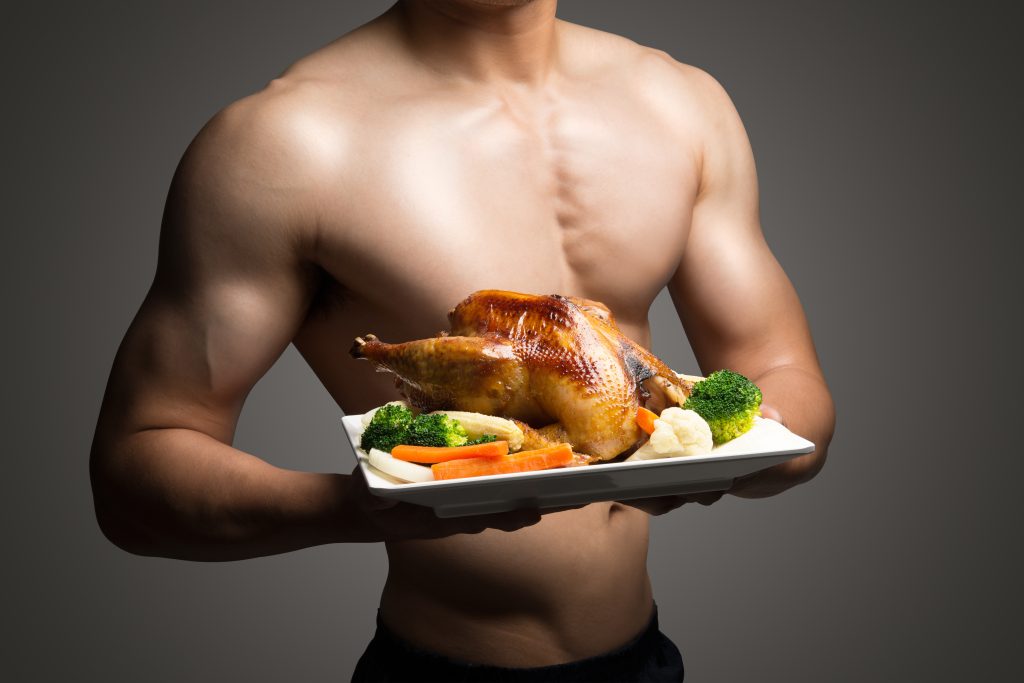
For a men’s community whose members include people estranged from their families of origin and people who have built chosen families from scratch, Thanksgiving is a complicated and tender day. The invitation it offers — the gathering at a shared table, the practice of saying what we are grateful for — is as old and as important as any holiday we keep.
History
The 1621 harvest feast between the Plymouth colonists and the Wampanoag people is the version of Thanksgiving’s origin that most Americans learn in school. It is historically attested, in brief, by a letter from the colonist Edward Winslow describing a three-day celebration attended by about ninety Wampanoag men and the surviving colonists. What school lessons generally omit is what came next: the systematic dispossession of the Wampanoag and other New England peoples; King Philip’s War (1675–1678), one of the deadliest wars per capita in American history; and centuries of displacement, broken treaties, and forced assimilation whose effects continue today.
The modern national Thanksgiving holiday was not actually established until the Civil War. President Abraham Lincoln, in October 1863, proclaimed a national day of “Thanksgiving and Praise” to be observed on the last Thursday in November. The proclamation was shaped significantly by Sarah Josepha Hale, the editor of Godey’s Lady’s Book, who had campaigned for decades for a national thanksgiving day. President Franklin D. Roosevelt, in 1941, signed legislation fixing the date as the fourth Thursday of November, which it has remained since.
The National Day of Mourning, held every Thanksgiving at Cole’s Hill in Plymouth since 1970, was founded by the Wamsutta Frank James — an Aquinnah Wampanoag leader — after the Commonwealth of Massachusetts suppressed the speech he had been invited to give at the 350th-anniversary banquet. The two observances now exist side by side. (See the separate celebration page for the National Day of Mourning.)
Observances
The central American observance is a shared meal, held in homes, in restaurants, in church halls, and at community tables set up for anyone who would otherwise be alone. The traditional meal centers on a roast turkey, with regional and family variations — cornbread or sausage dressing, mashed potatoes, cranberry sauce, sweet potatoes, green bean casserole, pumpkin or pecan pie. Many families open the meal with a prayer, a round of what-each-person-is-grateful-for, or a toast to those not at the table this year.
Beyond the meal, common observances include watching the Macy’s Thanksgiving Day Parade from New York (televised since 1952); watching football (the Detroit Lions have played on Thanksgiving Day since 1934); and volunteering at community meals, shelters, and food banks. The day often opens the longest and busiest travel weekend of the American year.
In recent decades, many families have added observances that acknowledge the day’s fuller history: a land acknowledgment at the start of the meal, a donation to a Native-led organization, a reading of a short passage from Wamsutta Frank James’s 1970 speech, or a conversation about what the day is and is not.
For LGBTQ+ people, Thanksgiving has been a specific innovation: Friendsgiving — the chosen-family dinner, often held the weekend before or after the official holiday, in which the people who did show up for us gather at a shared table and name what we are grateful for.
Male Perspective
Thanksgiving is for every man in Jonathan’s Circle, and the brotherhood includes men whose relationships with family of origin look very different one from the next.
For brothers whose family-of-origin dinner is warm — whose arrival is welcomed, whose plate is already set, whose partner or husband is received without quiet correction — the day can be a celebration without complication. The Circle is glad for you and glad for whoever still gathers around your mother’s table.
For a lot of other brothers, straight and queer, Thanksgiving is complicated in a way few other days are. The traditional meal is organized around the family of origin, and the family of origin is often precisely the family that did not or could not hold us. A divorce redrew the table. A long cold war with a father never thawed. A sibling died. The sister who once held everything together moved to another country. A parent remarried and the house no longer feels like the one you grew up in. The years in which going home means leaving part of yourself in the car — whoever you are — leave a mark that this holiday reliably reopens.
For LGBTQ+ brothers, that same wound often has a specifically queer shape: years in which we were not invited home, years in which the meal passed in careful silence about who we really were, years in which bringing a partner was out of the question. Many of us have, by the long slow work of years, built something at the Thanksgiving table that the family of origin could not. Friendsgiving is one of the great LGBTQ+ innovations of the last three decades — the chosen-family dinner, often ampler and louder and freer than the one down the road, in which the people who did show up gather and give thanks for each other. Many Circle brothers have been hosting Friendsgivings for decades, and have long since made these dinners the center of what the holiday actually means to them.
For straight brothers whose family-of-origin gathering is also complicated — and for whom the public silence about “chosen family” has sometimes made it harder to name what you have already built with the friends who have stood by you — the Friendsgiving tradition is yours to borrow freely. Chosen family is not a queer invention so much as a queer clarification of something many men have been quietly living.
However the day lands for you, the invitation it offers is the same one it has always offered: a table, a meal, a round of saying what we are grateful for. Thanksgiving is a day for whichever table is yours.
Summary
Thanksgiving is one of the most-kept days on the American calendar — a day for gathering, gratitude, and the shared meal. For the men of Jonathan’s Circle, November 26 this year is a day for whatever table you have made for yourself: the family of origin, the chosen family, the shared meal at the shelter, the quiet dinner at home. Give thanks for who is at your table, and remember who is not.