
- Yom HaShoah
History
Yom HaShoah (Holocaust Remembrance Day), observed on April 13th in 2026, is a day of solemn commemoration honoring the six million Jews murdered during the Holocaust, as well as the millions of others—Roma, disabled persons, political prisoners, and homosexual men among them—who perished under Nazi persecution. The day demands that we remember not only the dead but the machinery of dehumanization that made their murder possible: the laws, the bureaucracies, the complicity of ordinary people, and the silence of bystanders. For men committed to spiritual wholeness and moral courage, Yom HaShoah asks the hardest questions: what would I have done, and what am I doing now in the face of injustice?
The Israeli Knesset established Yom HaShoah in 1951, choosing the 27th of Nisan—falling between the anniversary of the Warsaw Ghetto Uprising and Israeli Independence Day—to link destruction with resistance and survival. The full Hebrew name, Yom HaShoah Ve-HaGevurah (Day of the Holocaust and Heroism), deliberately honors not only the victims but those who resisted: the fighters of the Warsaw Ghetto, the partisans in the forests, the individuals who committed acts of defiance even when defiance meant certain death.
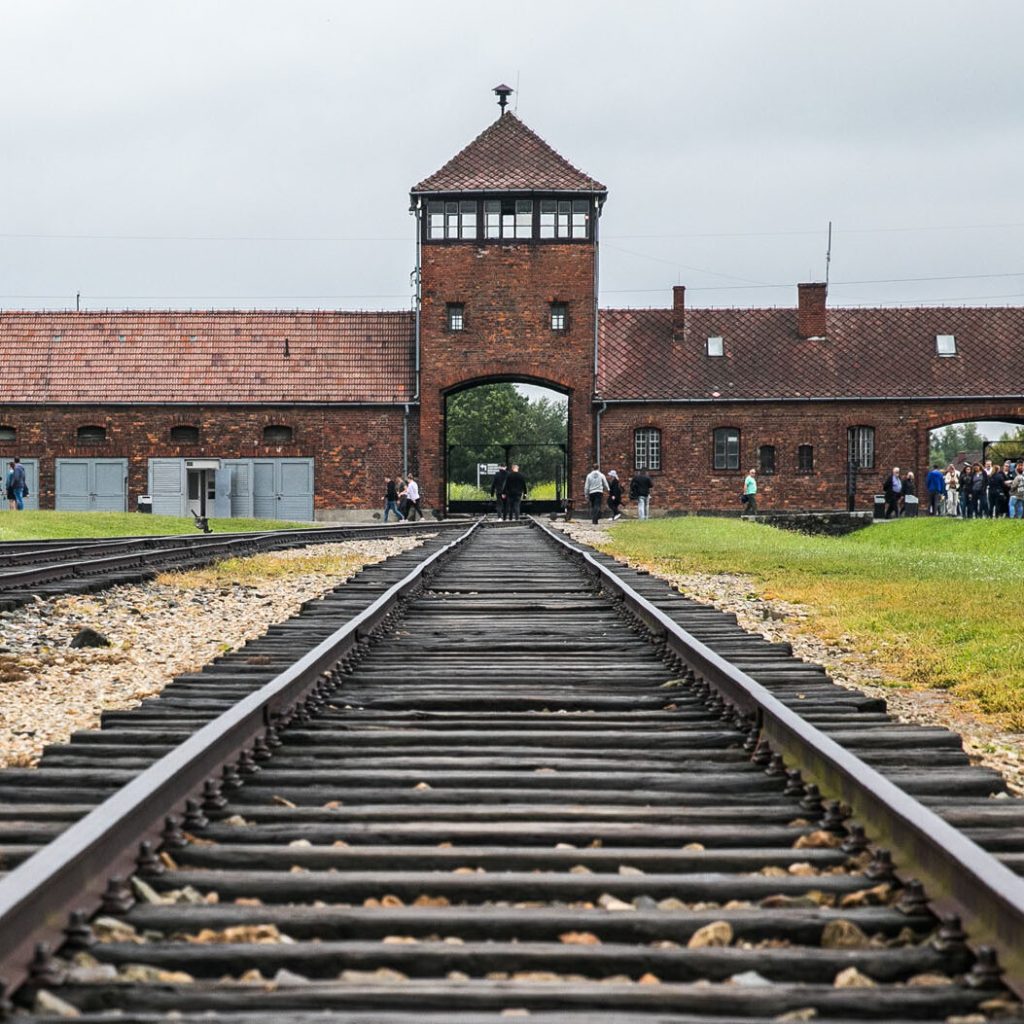
The Holocaust (Shoah, meaning “catastrophe”) unfolded between 1933 and 1945, escalating from legal discrimination through segregation, forced labor, and mass shootings to the industrialized murder of the death camps. Six million Jews—approximately one-third of the world’s Jewish population—were killed, along with hundreds of thousands of Roma, people with disabilities, Slavic civilians, political opponents, Jehovah’s Witnesses, and between 5,000 and 15,000 men persecuted specifically for homosexuality, forced to wear the pink triangle in concentration camps.
Observances
In Israel, a two-minute siren sounds at 10:00 AM on Yom HaShoah; the entire country stops—cars pull over on highways, pedestrians freeze in place, conversations halt—and stands in silence. This collective stillness is one of the most powerful public rituals in the world: an entire nation pausing together to hold the weight of memory. Flags fly at half-mast, places of entertainment close, and memorial ceremonies take place at Yad Vashem and Holocaust memorials throughout the country.
Synagogues and Jewish communities worldwide hold memorial services featuring the lighting of six candles (representing the six million), the reading of names of the dead, the recitation of memorial prayers (El Malei Rachamim, Kaddish), and testimonies from survivors—a diminishing number whose living witness makes the horror real in ways that documents and statistics cannot. Educational programs, film screenings, and museum exhibitions bring the history to public attention. The reading of names—sometimes lasting for hours—refuses to let the dead remain anonymous statistics, insisting on the individuality of each life destroyed.
Male Perspective
The Holocaust was overwhelmingly perpetrated by men: the ideology was created by men, the orders were given by men, the guards and executioners were men, and the bureaucrats who organized the logistics of genocide were men. Yom HaShoah forces men to confront what masculinity becomes when divorced from conscience—when obedience replaces moral reasoning, when belonging to the group overrides individual ethical judgment, and when the capacity for violence that exists in all men is given institutional permission and ideological justification.
The men who resisted—those who hid Jews at risk of their own lives, who fought in the ghettos and forests, who maintained human dignity in conditions designed to destroy it—model a masculinity of moral courage that refuses complicity even when refusal is suicidal. The Righteous Among the Nations honored at Yad Vashem include men who made choices that cost them everything; their example asks every man: what is your integrity worth, and would you pay the ultimate price for it?
For gay men, Yom HaShoah carries particular weight: the pink triangle, now reclaimed as a symbol of pride, originated as the badge of shame forced upon homosexual prisoners in the camps. Many of these men, liberated from the camps, were re-imprisoned under the same Paragraph 175 laws that had put them there; their suffering was not acknowledged for decades. Remembering them—remembering all of them—is an act of justice that refuses to let any victim be forgotten. In men’s circles, Yom HaShoah might be observed with silence, with the lighting of candles, with the reading of names, and with the honest question: where in the world today is dehumanization happening, and what is my responsibility?