
- Eid al-Fitr
History
Eid al-Fitr, the “Festival of Breaking the Fast,” marks the end of Ramadan and is one of the two major celebrations in Islam (the other being Eid al-Adha). For the world’s nearly two billion Muslims, it represents the joyful culmination of a month of fasting, prayer, and spiritual discipline—a time when the community that has struggled together in devotion now celebrates together in gratitude. For men who have undertaken Ramadan’s demanding practices, Eid al-Fitr is both reward and reminder that spiritual gains must be carried forward into ordinary life.
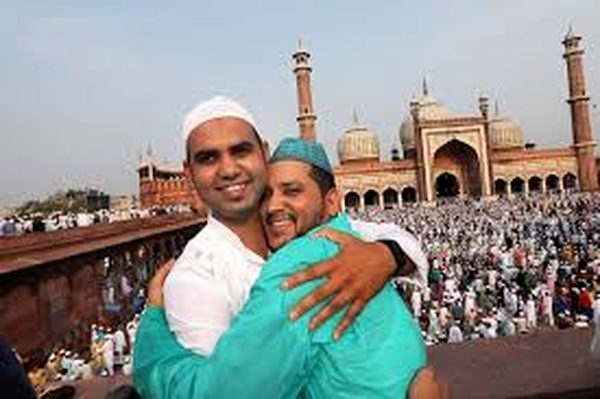
Eid al-Fitr was established by the Prophet Muhammad (peace be upon him) in Medina in 624 CE, the second year after the Hijra (migration from Mecca), following the first Ramadan observed by the Muslim community. The Prophet found the people of Medina celebrating two festival days; he announced that Allah had replaced these with two better celebrations: Eid al-Fitr and Eid al-Adha, establishing the Islamic festival calendar.
The word “Eid” means “festival” or “celebration” in Arabic; “Fitr” derives from the same root as “iftar” (the daily breaking of fast) and “fitrah” (the natural human state), connecting the celebration to both the end of fasting and the purification it brings. Eid begins with the sighting of the new moon of Shawwal, the tenth month of the Islamic calendar; since the Islamic calendar is lunar, Eid moves approximately eleven days earlier each Gregorian year, cycling through all seasons over roughly thirty-three years.
The celebration reflects core Islamic values: gratitude to Allah for the strength to complete Ramadan, charity to ensure all can celebrate, strengthening of family and community bonds, and joy as an expression of faith.
Observances
The day begins with the Eid prayer (Salat al-Eid), a congregational prayer performed shortly after sunrise in mosques or large outdoor spaces, often drawing entire communities together in worship. Before the Eid prayer, Muslims must pay Zakat al-Fitr, a mandatory charitable contribution ensuring that poor and needy community members can also celebrate; this is typically the equivalent of one meal given on behalf of each family member.
Breaking the fast on Eid morning with something sweet—traditionally dates—before the prayer symbolizes the end of Ramadan’s fasting restrictions and the beginning of the feast. New or special clothes are worn, with families often purchasing outfits specifically for Eid; looking one’s best is considered a way of showing gratitude and honoring the celebration. Family visits and gatherings fill the day: extended families come together for elaborate meals, children receive gifts and money (Eidi), and the home is typically filled with guests throughout the celebration.
Special foods vary by culture but often include sweet dishes: sheer khurma (vermicelli pudding) in South Asia, ma’amoul (date-filled cookies) in the Middle East, and various regional specialties marking the festive occasion. The greeting “Eid Mubarak” (Blessed Eid) is exchanged among Muslims and with non-Muslim friends and neighbors, spreading the celebration’s joy beyond the immediate community.
Male Perspective
For men who have observed Ramadan’s fast, Eid al-Fitr arrives as genuine celebration—not arbitrary festivity but earned joy after a month of discipline, hunger, and spiritual striving. The requirement to pay Zakat al-Fitr before Eid ensures that male heads of household fulfill responsibility for dependents and community members in need; celebration that doesn’t share its abundance is incomplete. The Eid prayer brings men into physical congregation with their community—standing shoulder to shoulder, prostrating together, hearing the imam’s sermon—embodying the unity that Ramadan’s shared practice has strengthened.
Ramadan’s month-long training in self-mastery reaches fruition at Eid: men who have proven they can control appetite and desire now return to ordinary life with strengthened capacity for discipline in all areas. The break from fasting is not license to abandon what Ramadan cultivated; Eid’s joy is meant to sustain men as they carry Ramadan’s lessons forward—continued prayer, ongoing charity, and maintained God-consciousness.
Family duties are central to Eid: visiting parents, blessing children, maintaining kinship ties, and honoring the extended family network that Islamic teaching places at the center of social life. For Muslim men in non-Muslim societies, Eid offers a moment of public visibility—wearing cultural dress, gathering for prayer, celebrating openly—that affirms identity and invites others into awareness of Islamic practice.
In men’s circles that include Muslim members, or in interfaith contexts, Eid can be honored by learning about its significance, congratulating those who observe it, and reflecting on what one’s own tradition offers regarding the relationship between discipline and celebration. The transition from Ramadan to Eid models a mature spiritual rhythm: intensive practice followed by joyful release, neither endless austerity nor unreflective pleasure, but the alternation between striving and celebration that sustains long-term devotion.