
- St. Patrick's Day
History
St. Patrick’s Day, celebrated on March 17th, honors the patron saint of Ireland and has evolved from a religious feast day into a global celebration of Irish culture, identity, and heritage. For the Irish diaspora—millions scattered by famine, poverty, and emigration—the day carries deep significance as an affirmation of identity that persecution and displacement could not erase. For men exploring how cultural and spiritual heritage shapes identity, St. Patrick’s Day offers reflection on roots, resilience, and how traditions transform as they cross oceans and generations. St. Patrick, the historical figure behind the legend, was a Romano-British Christian who was kidnapped by Irish raiders at age sixteen and enslaved in Ireland for six years before escaping; he later returned as a missionary, traditionally credited with converting Ireland to Christianity in the fifth century.
Patrick’s own writings—his Confession and Letter to Coroticus—reveal a man haunted by his inadequate education, driven by visionary dreams, and committed to a mission he believed God had given him despite his sense of unworthiness. The legends that grew around Patrick—driving snakes from Ireland, using the shamrock to explain the Trinity, confronting druids with miraculous power—emerged centuries after his death, blending Christian hagiography with Celtic mythology.
March 17th, traditionally held as the date of Patrick’s death around 461 CE, has been observed as a religious feast day in Ireland since the early seventeenth century, falling during Lent but with dispensations allowing meat and alcohol. Irish emigration, especially following the Great Famine of the 1840s, transformed St. Patrick’s Day into a diaspora celebration; Irish communities in America began organizing parades as early as 1762, asserting Irish identity in the face of discrimination.
The day’s evolution from religious observance to secular celebration of Irishness accelerated through the twentieth century, culminating in today’s global phenomenon of green beer, parades, and universal claims to Irish heritage.
Observances
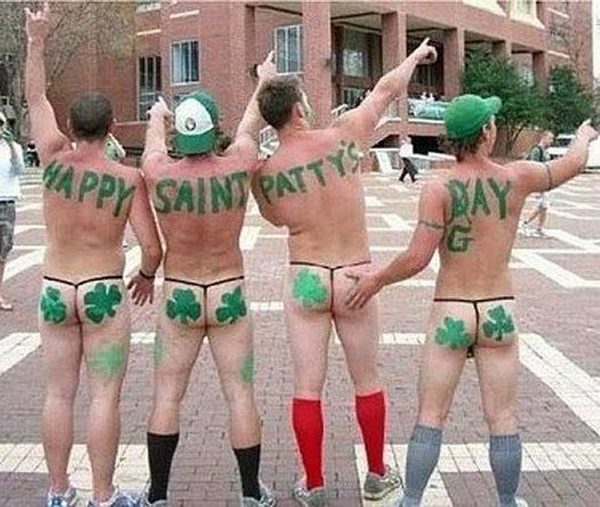
Parades are the most visible celebration, from New York City’s massive march (the world’s oldest and largest St. Patrick’s Day parade, dating to 1762) to celebrations in cities worldwide; Chicago famously dyes its river green. The color green dominates, from clothing to decorations to food coloring; “wearing of the green” references both the color’s association with Ireland and historical periods when displaying Irish identity was dangerous.
Traditional Irish music sessions take place in pubs and community centers, with fiddles, tin whistles, uilleann pipes, and bodhrán drums playing jigs, reels, and ballads that carry centuries of Irish culture. Irish food and drink feature prominently: corned beef and cabbage (more Irish-American than Irish), soda bread, colcannon, and of course Guinness and Irish whiskey flow freely. Religious observance continues for practicing Catholics, with Mass celebrated and St. Patrick’s intercession sought; the day offers a Lenten break from fasting and abstinence. Cultural events highlight Irish literature, poetry, dance, and history; Irish language (Gaelic) receives special attention, with phrases like “Lá Fhéile Pádraig sona duit” (Happy St. Patrick’s Day) appearing everywhere. For Irish diaspora communities, the day often includes reflection on family history, emigration stories, and connection to a homeland many have never visited but carry in their heritage.
Male Perspective
St. Patrick himself offers a model of masculinity transformed by suffering: the enslaved teenager who became a missionary, the man who felt inadequate yet answered what he understood as divine calling, the leader who built his authority on service rather than conquest. Irish history is marked by colonial oppression, famine, forced emigration, and religious persecution—themes that resonate with any men whose peoples have experienced similar displacement and survival against odds.
The stereotypes associated with St. Patrick’s Day—drunkenness, fighting, sentimentality—can either reinforce harmful images of Irish masculinity or be reclaimed as acknowledgment that Irish men, like all men, contain multitudes. For men of Irish descent, the day invites connection with ancestors who crossed oceans, worked dangerous jobs, faced discrimination, and built communities in hostile environments—their resilience is inherited strength.
The Celtic spiritual traditions that Patrick encountered and transformed offer resources for contemporary men’s spirituality: thin places where the sacred breaks through, reverence for nature, the wisdom of poets and bards. Irish literary tradition—from the ancient myths to Joyce, Yeats, Beckett, and beyond—provides rich material for men exploring how stories shape identity and how language can hold both sorrow and beauty.
The Irish wake tradition, celebrating the dead with stories, drink, and music, offers an alternative to death-denying cultures—men might reflect on how to honor mortality and loss while affirming life. In men’s circles, St. Patrick’s Day might prompt sharing of heritage stories, reflection on how ethnic and cultural identity shapes masculine experience, and perhaps raising a glass to ancestors whose sacrifices made present lives possible.
The spiritual dimension of the day—beneath the green beer—invites men to consider what Patrick’s journey from slave to saint might teach about transformation: that the worst experiences can become the ground from which purpose grows.